Variant manufacturing
Series production with variants: the same product in different dimensions, materials and equipment levels, configured per order.
30 minutes · online · with your own projects · no obligation
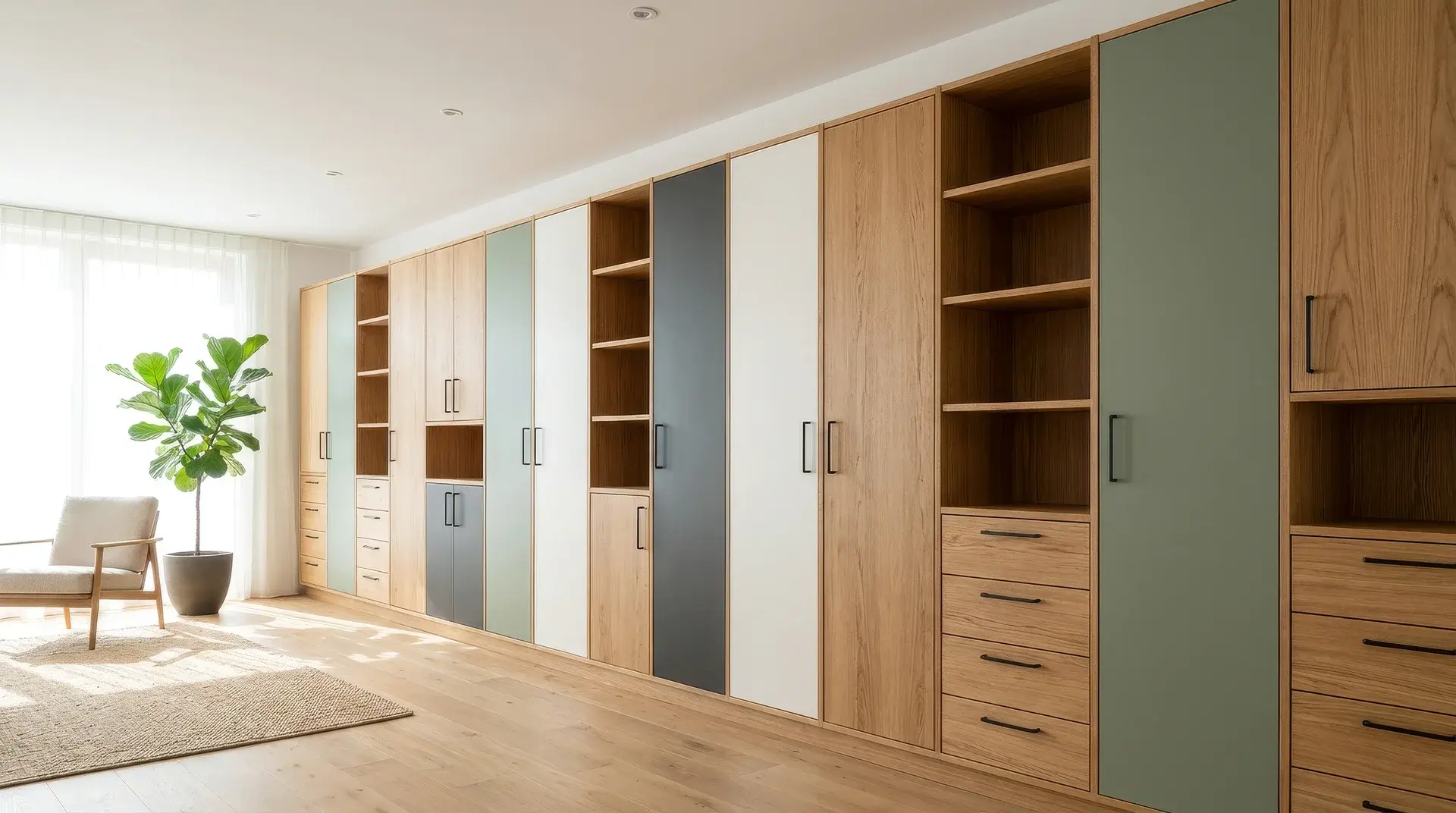

What changes for you
- The rule set translates
- The configurator carries the engineering rules: the selection made in sales produces drawing, parts list and price.
- One master component, many versions
- Dimensions, decors and fittings are characteristics on the component – not a separate item per variant.
- Time comes from the component
- Machining logic from material and geometry, operations evaluated per workstation: the variant brings its production time with it.
Sound familiar from variant manufacturing?
Between sales and engineering sits a translation
Whatever sales commits to has to be translated into components, dimensions and operations. As long as that happens in someone's head, the quote waits for engineering.
Every new version becomes a new record
One more dimension, one more decor, one more fitting – and another item with its own parts list appears. The maintenance grows faster than the range.
The price is known, the time is not
What a variant costs can be quantified. How long it takes in production stays a matter of experience – and that is exactly what the delivery date hangs on.
Three bottlenecks, one cause: Between the sales selection and the production data sits manual work. With CAD+T the rule set carries the translation: the variant produces drawing, parts list, price and time.
How CAD+T solves thisWhat CAD+T takes on in variant manufacturing
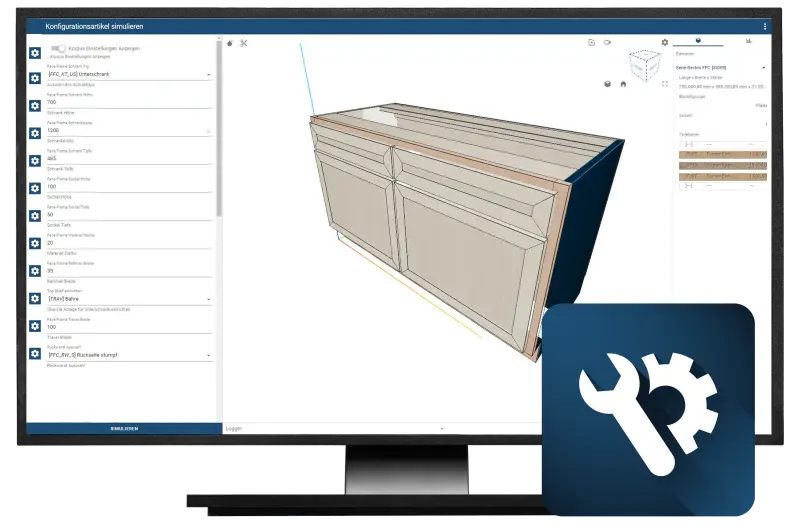
The selection made in sales is the instruction for production
A configurator carrying the engineering rules: choose the characteristics, and drawing, parts list and price follow
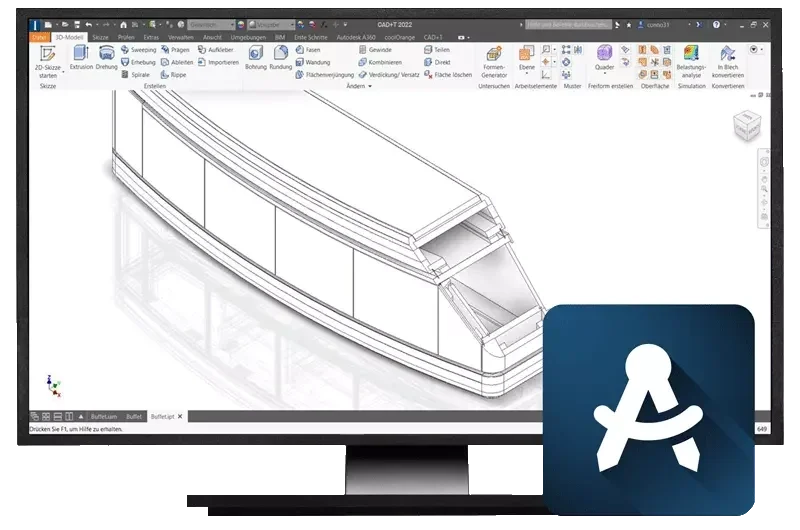
One master component carries the range of variants – fewer parts instead of more drawings
Parametric master components: dimensions and materials are parameters, fittings and parts list follow
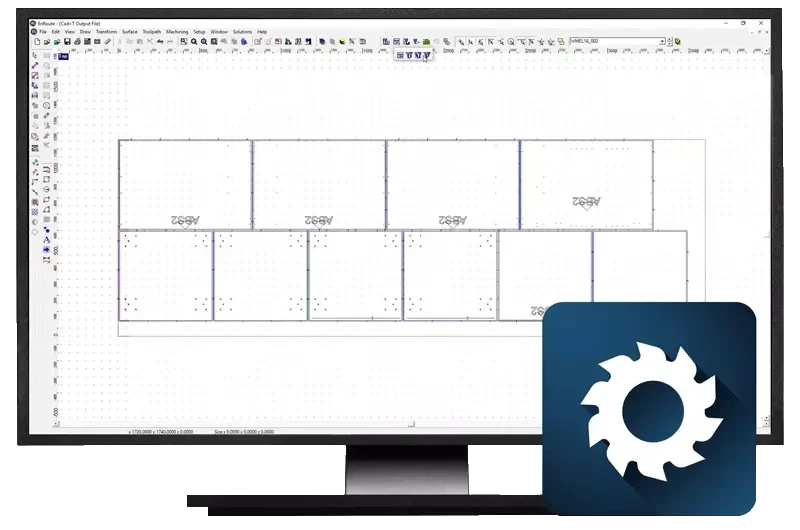
The variant goes to the machine without an intermediate step
CNC programs and nesting from the same model, with machining logic from material and geometry
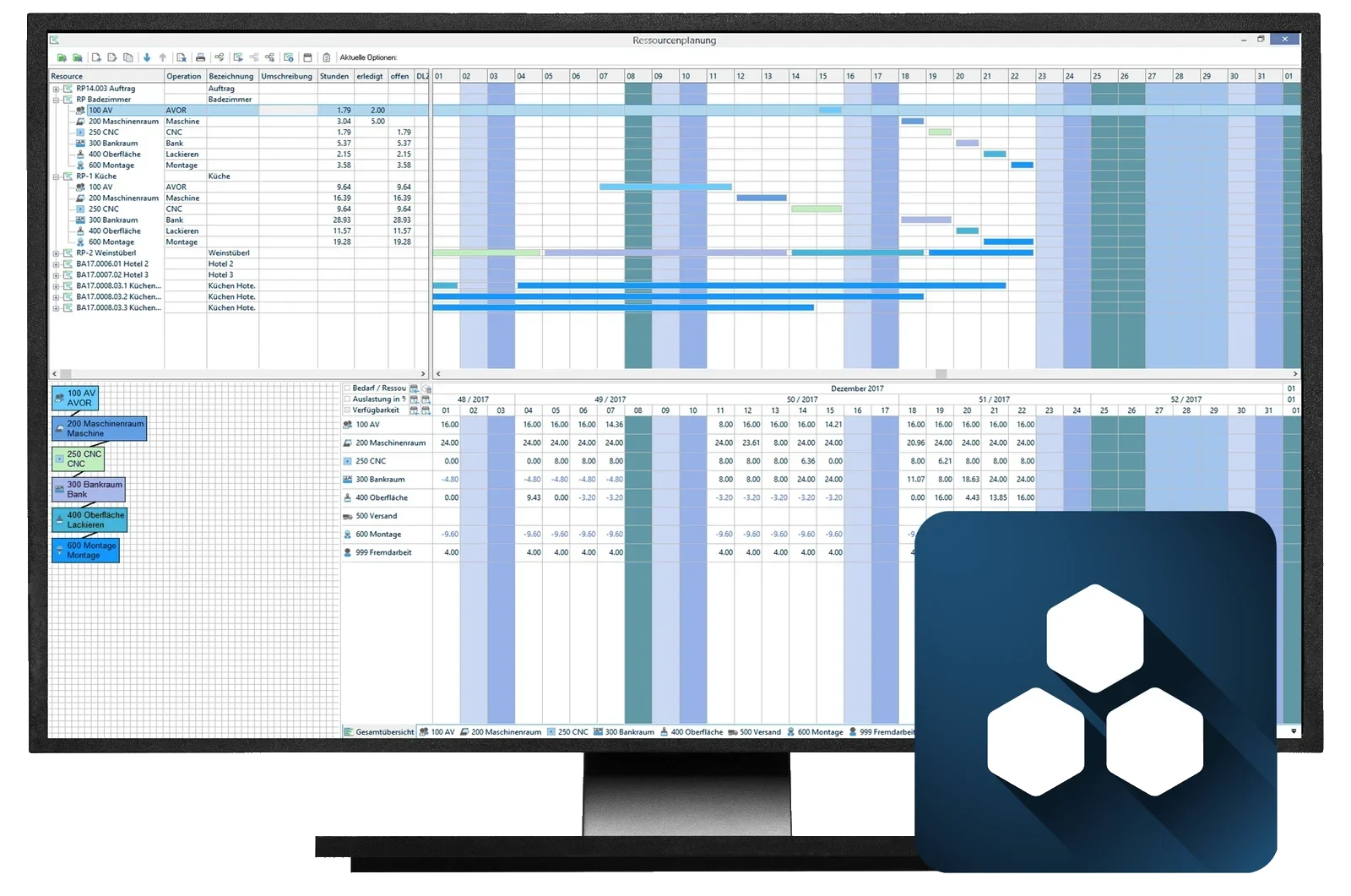
The delivery date rests on evaluated operations, not on experience
Pre-costing and recording of production times, target/actual comparison and post-costing per order
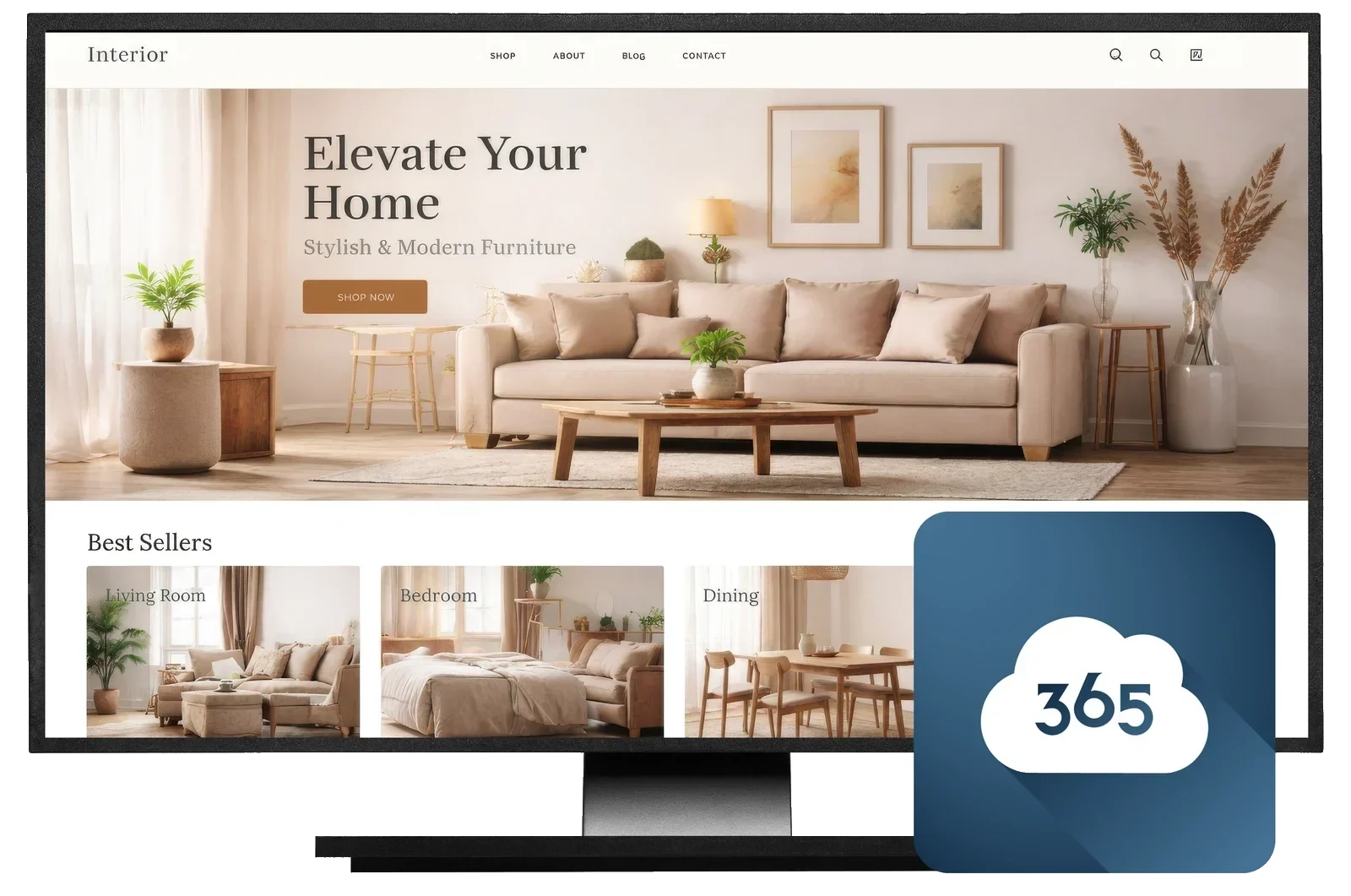
The partner configures directly and the order arrives as an order
Configurable products in the shop or partner portal, with the product data from CAD+T EOS
See it with your own project
30 minutes · online · with your own projects · no obligation
From the variant to the post-costing
- 1
Product range & rules
The product is built once as a master component: dimensions, materials and equipment levels are characteristics, and the rules live in the configurator.
- 2
Selection in sales
Sales, dealer or customer puts the variant together. Drawing, parts list and price come out of it.
- 3
Engineering where it is needed
Standard variants pass straight through. The special case is adjusted by hand without changing the master data.
- 4
Production data
Parts list, routing and machine programs come out of the same variant, with times per operation.
- 5
Order, date, post-costing
Material, dates and times run along in the ERP. After the order the target/actual comparison shows what the variant really cost.
From practice
Loads from YouTube only when you click – no connection to Google before that.
Common questions from variant manufacturers
From how many variants does a configurator pay off?
It is not the number that decides, it is the repetition: as soon as the same component is built more than once in different dimensions or materials, the rule set carries it. The effort sits in the first master component; every further version is a combination of characteristics, not a new drawing.
What happens to special requests that no rule covers?
Engineering stays open: the generated drawing can be adjusted by hand without changing the master data. If a special case repeats, it becomes a characteristic – the rule set grows with the range.
We already have an ERP. Does it have to go?
No. CAD+T supplies parts lists, routings and times to the existing system; which interface that takes is settled before the project starts. Whether order processing sits with CAD+T or stays in your ERP is a decision your process makes.
Where do the times for planning come from?
From the component. Machining logic and operations follow from material and geometry and are evaluated per workstation and tool. That way every variant has a production time before it reaches the workshop.
Can dealers configure the variants themselves?
Yes, through CAD+T Web Solutions: configurable products in the shop or the partner portal, with the product data from CAD+T EOS. What the partner puts together arrives as an order – with no second entry.
What does CAD+T cost for a variant manufacturer?
Which modules you need and how many workstations: we work that out together with you on site – and it is the basis for the quote. Thanks to the modular structure you take only the applications you actually need: as the business grows, individual modules can be added at any time.
How does a project with CAD+T start?
With a project structure plan: it covers the installation as well as training for everyone involved. You start where the need is most urgent.
The answers give an overview – we are happy to clarify the details in person. Errors, changes and typos excepted.
How many variants do you maintain by hand today?
Show us one product with its versions. We will tell you which part of it can come from a master component – and which cannot.
Book a free demo